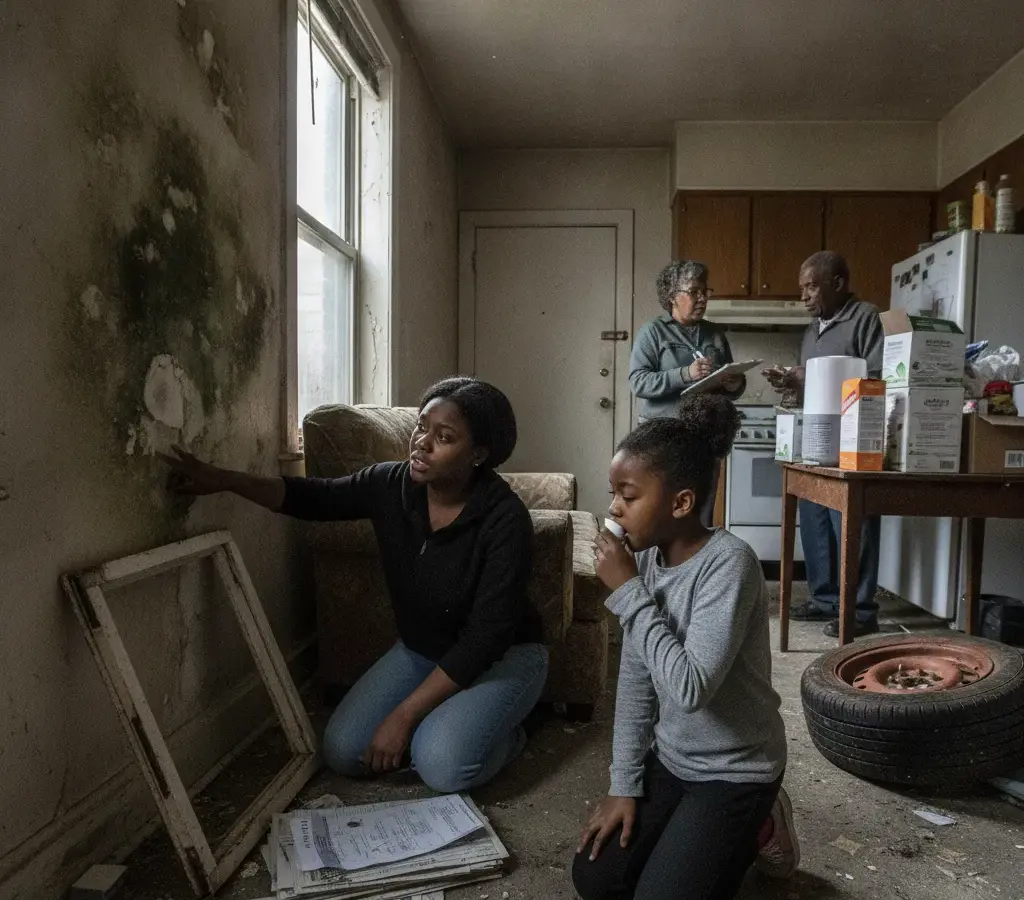
For millions of Americans living with asthma, the battle against shortness of breath often begins long before they step into a doctor’s office. A recent study from the University of Pennsylvania highlights that for those in low income neighborhoods, managing the condition is rarely just about taking the right medication. Instead, hidden hurdles like moldy walls, pest infestations, and unreliable transportation create a cycle of instability that keeps patients trapped in a loop of emergency room visits.
Led by Dr. Tyra Bryant Stephens, the research focused on adults in the Philadelphia area, a region currently ranked as one of the most challenging places in the nation to manage asthma. By deploying specially trained patient navigators to assist people—most of whom were Black women facing significant socioeconomic barriers—the team sought to bridge the gap between clinical advice and daily reality. These navigators didn’t just explain prescriptions; they accompanied patients to appointments and entered their homes to identify environmental triggers that medicine alone cannot cure.
The findings revealed a clear advantage for those who received support through home visits rather than clinic based assistance alone. Those receiving comprehensive home navigation saw better overall asthma control and a decrease in urgent medical crises over a twelve month period. While researchers noted that these gains were modest and struggled to persist once the intervention ended, the results underscore a critical truth about public health: medical guidelines only work if a patient’s environment allows them to follow through.
This study represents part of a lifelong effort by Dr. Bryant Stephens to dismantle health inequities in underserved communities. From founding prevention programs decades ago to coordinating care between schools and hospitals today, her work argues that true healing requires looking beyond the exam table. To truly curb the disparity in asthma rates among Black adults, healthcare must evolve to treat the house and the neighborhood as much as it treats the patient.